Our Venue
A BELMOND HOTEL
LA RESIDENCIA
THE HOTEL
300 Years of History in the Olive Groves
La Residencia is immersed in 12 acres of olive groves with the Sierra de Tramuntana, a UNESCO-heritage site, as a backdrop. For centuries, La Residencia has been a place of spiritual connection for writers, artists and musicians.
18th Century
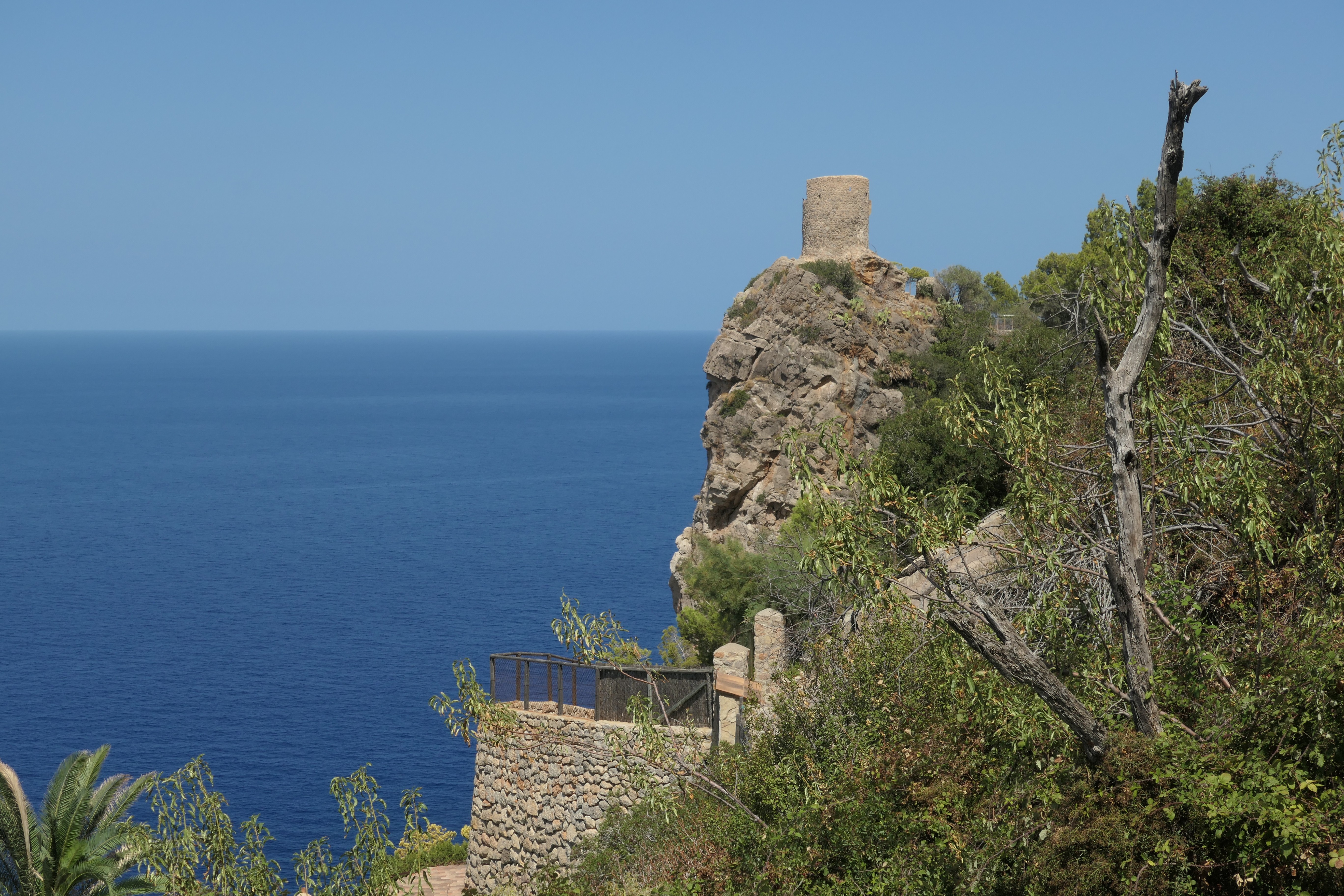
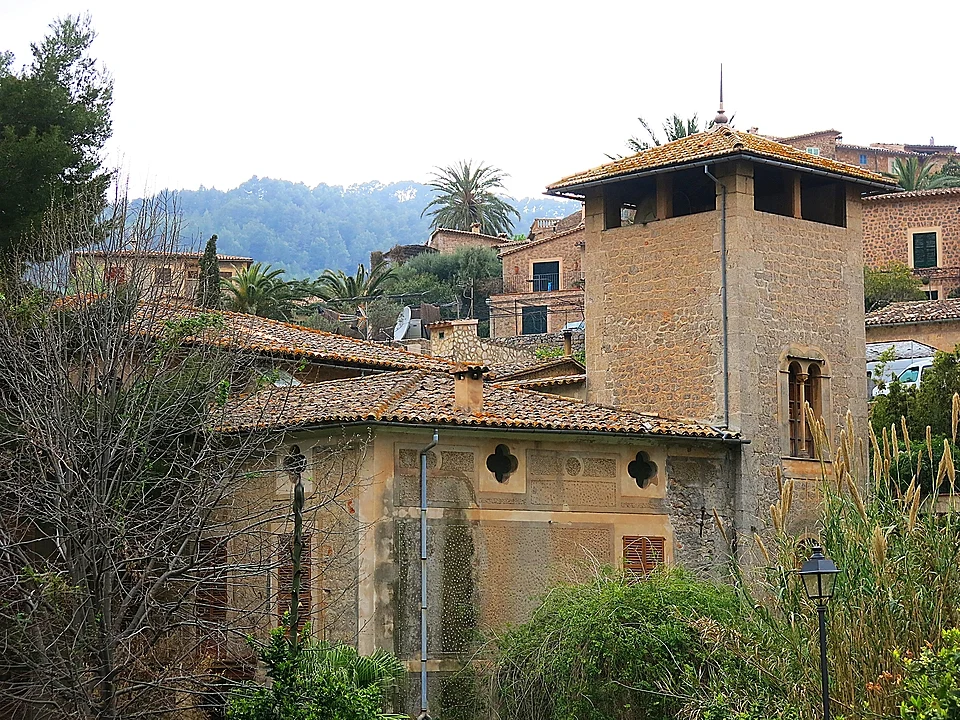
During the 18th century much of Deià was owned by an order of Cisterian monks. In 1744, the monks acquired Son Canals, one of the twin manor houses that form the core of the hotel. They then directed a source of water to it, to irrigate the estate that surrounds the property.
1820
The Spanish government expropriated the Church’s lands and Son Canals was one of several estates in Deià to be auctioned to private ownership.
20th Century
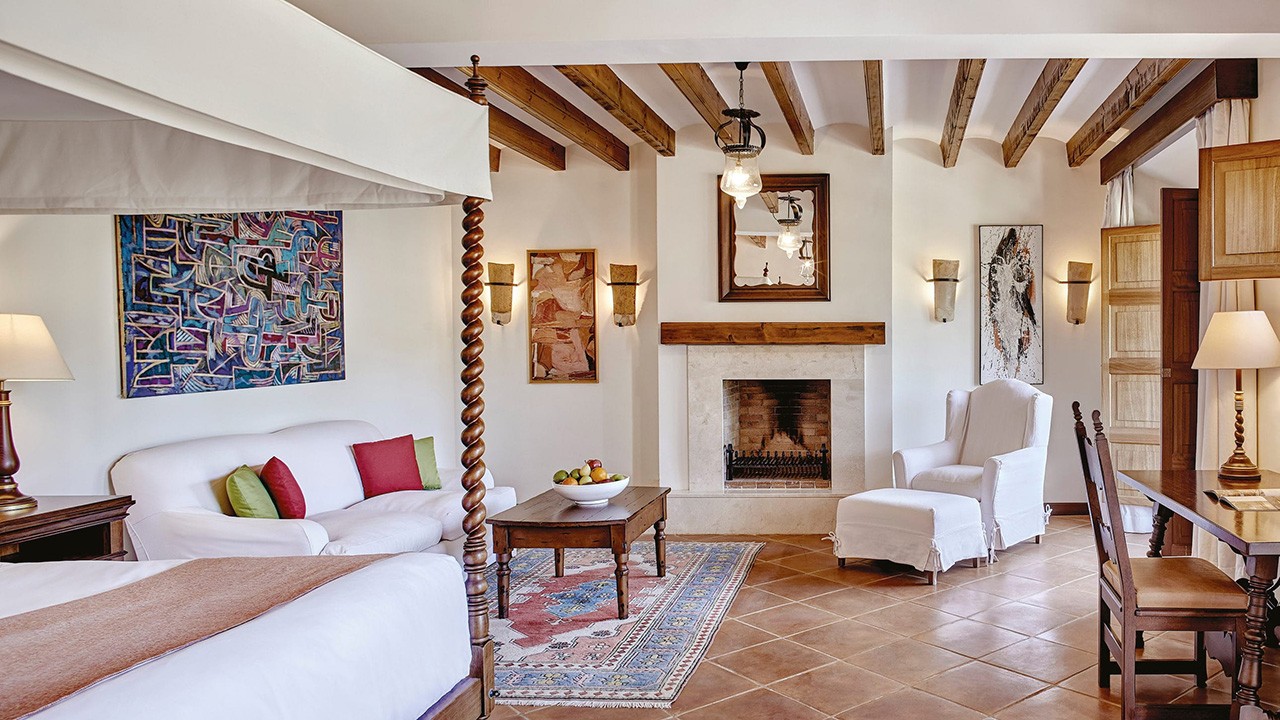
Thanks to the water supply established by the monks, the estate’s orchards and olive groves thrived, allowing for the production of olive oil to become the principal source of income for the property all the way through the mid-20th century. The olive oil business would not last forever, and eventually the property was put up for sale again. It was then bought by owners who decided to turn it into a hotel. It opened in 1984 as the first of its kind on the island. Every bedroom was individually decorated with antiques—quite different from any other Mallorca hotel. During the 20th century, artists from all over the world came to live in Deià, and a community of painters, sculptors and decorative artists grew up. The hotel has always been a focus of this activity and now has its own art collection, a sculpture garden, resident artists and a number of art-related events.
2026
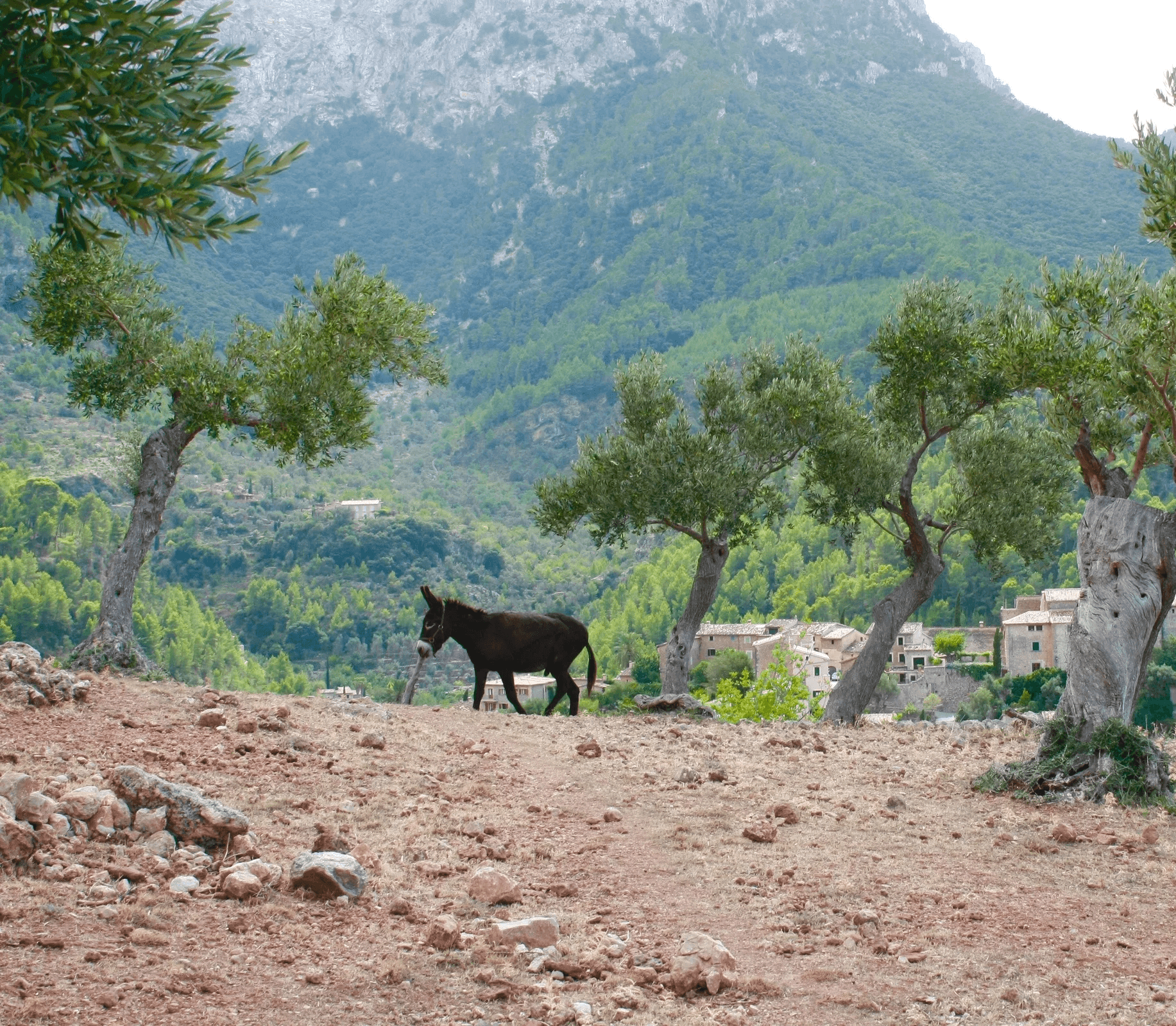
Today the olive groves are being restored and olive-oil production has resumed. Donkeys and sheep have returned to the hillside and the estate is again producing its own farm products—still on a small scale, but increasing year on year.
18th Century
During the 18th century much of Deià was owned by an order of Cisterian monks. In 1744, the monks acquired Son Canals, one of the twin manor houses that form the core of the hotel. They then directed a source of water to it, to irrigate the estate that surrounds the property.
1820
The Spanish government expropriated the Church’s lands and Son Canals was one of several estates in Deià to be auctioned to private ownership.
20th Century
Thanks to the water supply established by the monks, the estate’s orchards and olive groves thrived, allowing for the production of olive oil to become the principal source of income for the property all the way through the mid-20th century. The olive oil business would not last forever, and eventually the property was put up for sale again. It was then bought by owners who decided to turn it into a hotel. It opened in 1984 as the first of its kind on the island. Every bedroom was individually decorated with antiques—quite different from any other Mallorca hotel. During the 20th century, artists from all over the world came to live in Deià, and a community of painters, sculptors and decorative artists grew up. The hotel has always been a focus of this activity and now has its own art collection, a sculpture garden, resident artists and a number of art-related events.
2026
Today the olive groves are being restored and olive-oil production has resumed. Donkeys and sheep have returned to the hillside and the estate is again producing its own farm products—still on a small scale, but increasing year on year.
18th Century
During the 18th century much of Deià was owned by an order of Cisterian monks. In 1744, the monks acquired Son Canals, one of the twin manor houses that form the core of the hotel. They then directed a source of water to it, to irrigate the estate that surrounds the property.
1820
The Spanish government expropriated the Church’s lands and Son Canals was one of several estates in Deià to be auctioned to private ownership.
20th Century
Thanks to the water supply established by the monks, the estate’s orchards and olive groves thrived, allowing for the production of olive oil to become the principal source of income for the property all the way through the mid-20th century. The olive oil business would not last forever, and eventually the property was put up for sale again. It was then bought by owners who decided to turn it into a hotel. It opened in 1984 as the first of its kind on the island. Every bedroom was individually decorated with antiques—quite different from any other Mallorca hotel. During the 20th century, artists from all over the world came to live in Deià, and a community of painters, sculptors and decorative artists grew up. The hotel has always been a focus of this activity and now has its own art collection, a sculpture garden, resident artists and a number of art-related events.
2026
Today the olive groves are being restored and olive-oil production has resumed. Donkeys and sheep have returned to the hillside and the estate is again producing its own farm products—still on a small scale, but increasing year on year.
18th Century
During the 18th century much of Deià was owned by an order of Cisterian monks. In 1744, the monks acquired Son Canals, one of the twin manor houses that form the core of the hotel. They then directed a source of water to it, to irrigate the estate that surrounds the property.
1820
The Spanish government expropriated the Church’s lands and Son Canals was one of several estates in Deià to be auctioned to private ownership.
20th Century
Thanks to the water supply established by the monks, the estate’s orchards and olive groves thrived, allowing for the production of olive oil to become the principal source of income for the property all the way through the mid-20th century. The olive oil business would not last forever, and eventually the property was put up for sale again. It was then bought by owners who decided to turn it into a hotel. It opened in 1984 as the first of its kind on the island. Every bedroom was individually decorated with antiques—quite different from any other Mallorca hotel. During the 20th century, artists from all over the world came to live in Deià, and a community of painters, sculptors and decorative artists grew up. The hotel has always been a focus of this activity and now has its own art collection, a sculpture garden, resident artists and a number of art-related events.
2026
Today the olive groves are being restored and olive-oil production has resumed. Donkeys and sheep have returned to the hillside and the estate is again producing its own farm products—still on a small scale, but increasing year on year.
18th Century
During the 18th century much of Deià was owned by an order of Cisterian monks. In 1744, the monks acquired Son Canals, one of the twin manor houses that form the core of the hotel. They then directed a source of water to it, to irrigate the estate that surrounds the property.
1820
The Spanish government expropriated the Church’s lands and Son Canals was one of several estates in Deià to be auctioned to private ownership.
20th Century
Thanks to the water supply established by the monks, the estate’s orchards and olive groves thrived, allowing for the production of olive oil to become the principal source of income for the property all the way through the mid-20th century. The olive oil business would not last forever, and eventually the property was put up for sale again. It was then bought by owners who decided to turn it into a hotel. It opened in 1984 as the first of its kind on the island. Every bedroom was individually decorated with antiques—quite different from any other Mallorca hotel. During the 20th century, artists from all over the world came to live in Deià, and a community of painters, sculptors and decorative artists grew up. The hotel has always been a focus of this activity and now has its own art collection, a sculpture garden, resident artists and a number of art-related events.
2026
Today the olive groves are being restored and olive-oil production has resumed. Donkeys and sheep have returned to the hillside and the estate is again producing its own farm products—still on a small scale, but increasing year on year.
18th Century
During the 18th century much of Deià was owned by an order of Cisterian monks. In 1744, the monks acquired Son Canals, one of the twin manor houses that form the core of the hotel. They then directed a source of water to it, to irrigate the estate that surrounds the property.
1820
The Spanish government expropriated the Church’s lands and Son Canals was one of several estates in Deià to be auctioned to private ownership.
20th Century
Thanks to the water supply established by the monks, the estate’s orchards and olive groves thrived, allowing for the production of olive oil to become the principal source of income for the property all the way through the mid-20th century. The olive oil business would not last forever, and eventually the property was put up for sale again. It was then bought by owners who decided to turn it into a hotel. It opened in 1984 as the first of its kind on the island. Every bedroom was individually decorated with antiques—quite different from any other Mallorca hotel. During the 20th century, artists from all over the world came to live in Deià, and a community of painters, sculptors and decorative artists grew up. The hotel has always been a focus of this activity and now has its own art collection, a sculpture garden, resident artists and a number of art-related events.
2026
Today the olive groves are being restored and olive-oil production has resumed. Donkeys and sheep have returned to the hillside and the estate is again producing its own farm products—still on a small scale, but increasing year on year.
18th Century
During the 18th century much of Deià was owned by an order of Cisterian monks. In 1744, the monks acquired Son Canals, one of the twin manor houses that form the core of the hotel. They then directed a source of water to it, to irrigate the estate that surrounds the property.
1820
The Spanish government expropriated the Church’s lands and Son Canals was one of several estates in Deià to be auctioned to private ownership.
20th Century
Thanks to the water supply established by the monks, the estate’s orchards and olive groves thrived, allowing for the production of olive oil to become the principal source of income for the property all the way through the mid-20th century. The olive oil business would not last forever, and eventually the property was put up for sale again. It was then bought by owners who decided to turn it into a hotel. It opened in 1984 as the first of its kind on the island. Every bedroom was individually decorated with antiques—quite different from any other Mallorca hotel. During the 20th century, artists from all over the world came to live in Deià, and a community of painters, sculptors and decorative artists grew up. The hotel has always been a focus of this activity and now has its own art collection, a sculpture garden, resident artists and a number of art-related events.
2026
Today the olive groves are being restored and olive-oil production has resumed. Donkeys and sheep have returned to the hillside and the estate is again producing its own farm products—still on a small scale, but increasing year on year.
18th Century
During the 18th century much of Deià was owned by an order of Cisterian monks. In 1744, the monks acquired Son Canals, one of the twin manor houses that form the core of the hotel. They then directed a source of water to it, to irrigate the estate that surrounds the property.
1820
The Spanish government expropriated the Church’s lands and Son Canals was one of several estates in Deià to be auctioned to private ownership.
20th Century
Thanks to the water supply established by the monks, the estate’s orchards and olive groves thrived, allowing for the production of olive oil to become the principal source of income for the property all the way through the mid-20th century. The olive oil business would not last forever, and eventually the property was put up for sale again. It was then bought by owners who decided to turn it into a hotel. It opened in 1984 as the first of its kind on the island. Every bedroom was individually decorated with antiques—quite different from any other Mallorca hotel. During the 20th century, artists from all over the world came to live in Deià, and a community of painters, sculptors and decorative artists grew up. The hotel has always been a focus of this activity and now has its own art collection, a sculpture garden, resident artists and a number of art-related events.
2026
Today the olive groves are being restored and olive-oil production has resumed. Donkeys and sheep have returned to the hillside and the estate is again producing its own farm products—still on a small scale, but increasing year on year.
18th Century
During the 18th century much of Deià was owned by an order of Cisterian monks. In 1744, the monks acquired Son Canals, one of the twin manor houses that form the core of the hotel. They then directed a source of water to it, to irrigate the estate that surrounds the property.
1820
The Spanish government expropriated the Church’s lands and Son Canals was one of several estates in Deià to be auctioned to private ownership.
20th Century
Thanks to the water supply established by the monks, the estate’s orchards and olive groves thrived, allowing for the production of olive oil to become the principal source of income for the property all the way through the mid-20th century. The olive oil business would not last forever, and eventually the property was put up for sale again. It was then bought by owners who decided to turn it into a hotel. It opened in 1984 as the first of its kind on the island. Every bedroom was individually decorated with antiques—quite different from any other Mallorca hotel. During the 20th century, artists from all over the world came to live in Deià, and a community of painters, sculptors and decorative artists grew up. The hotel has always been a focus of this activity and now has its own art collection, a sculpture garden, resident artists and a number of art-related events.
2026
Today the olive groves are being restored and olive-oil production has resumed. Donkeys and sheep have returned to the hillside and the estate is again producing its own farm products—still on a small scale, but increasing year on year.
18th Century
During the 18th century much of Deià was owned by an order of Cisterian monks. In 1744, the monks acquired Son Canals, one of the twin manor houses that form the core of the hotel. They then directed a source of water to it, to irrigate the estate that surrounds the property.
1820
The Spanish government expropriated the Church’s lands and Son Canals was one of several estates in Deià to be auctioned to private ownership.
20th Century
Thanks to the water supply established by the monks, the estate’s orchards and olive groves thrived, allowing for the production of olive oil to become the principal source of income for the property all the way through the mid-20th century. The olive oil business would not last forever, and eventually the property was put up for sale again. It was then bought by owners who decided to turn it into a hotel. It opened in 1984 as the first of its kind on the island. Every bedroom was individually decorated with antiques—quite different from any other Mallorca hotel. During the 20th century, artists from all over the world came to live in Deià, and a community of painters, sculptors and decorative artists grew up. The hotel has always been a focus of this activity and now has its own art collection, a sculpture garden, resident artists and a number of art-related events.
2026
Today the olive groves are being restored and olive-oil production has resumed. Donkeys and sheep have returned to the hillside and the estate is again producing its own farm products—still on a small scale, but increasing year on year.
18th Century
During the 18th century much of Deià was owned by an order of Cisterian monks. In 1744, the monks acquired Son Canals, one of the twin manor houses that form the core of the hotel. They then directed a source of water to it, to irrigate the estate that surrounds the property.
1820
The Spanish government expropriated the Church’s lands and Son Canals was one of several estates in Deià to be auctioned to private ownership.
20th Century
Thanks to the water supply established by the monks, the estate’s orchards and olive groves thrived, allowing for the production of olive oil to become the principal source of income for the property all the way through the mid-20th century. The olive oil business would not last forever, and eventually the property was put up for sale again. It was then bought by owners who decided to turn it into a hotel. It opened in 1984 as the first of its kind on the island. Every bedroom was individually decorated with antiques—quite different from any other Mallorca hotel. During the 20th century, artists from all over the world came to live in Deià, and a community of painters, sculptors and decorative artists grew up. The hotel has always been a focus of this activity and now has its own art collection, a sculpture garden, resident artists and a number of art-related events.
2026
Today the olive groves are being restored and olive-oil production has resumed. Donkeys and sheep have returned to the hillside and the estate is again producing its own farm products—still on a small scale, but increasing year on year.
18th Century
During the 18th century much of Deià was owned by an order of Cisterian monks. In 1744, the monks acquired Son Canals, one of the twin manor houses that form the core of the hotel. They then directed a source of water to it, to irrigate the estate that surrounds the property.
1820
The Spanish government expropriated the Church’s lands and Son Canals was one of several estates in Deià to be auctioned to private ownership.
20th Century
Thanks to the water supply established by the monks, the estate’s orchards and olive groves thrived, allowing for the production of olive oil to become the principal source of income for the property all the way through the mid-20th century. The olive oil business would not last forever, and eventually the property was put up for sale again. It was then bought by owners who decided to turn it into a hotel. It opened in 1984 as the first of its kind on the island. Every bedroom was individually decorated with antiques—quite different from any other Mallorca hotel. During the 20th century, artists from all over the world came to live in Deià, and a community of painters, sculptors and decorative artists grew up. The hotel has always been a focus of this activity and now has its own art collection, a sculpture garden, resident artists and a number of art-related events.
2026
Today the olive groves are being restored and olive-oil production has resumed. Donkeys and sheep have returned to the hillside and the estate is again producing its own farm products—still on a small scale, but increasing year on year.